Suomeksi
Welfare Quality
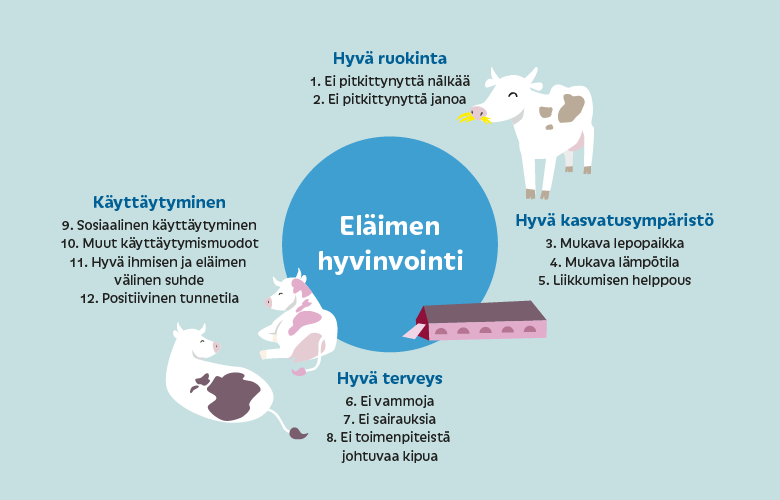
On all Maitomaa farms, cow welfare is measured according to the science-based Welfare Quality method.

How does Welfare Quality assess animal welfare?
1. WQ looks at things from the animal’s perspective, not the human’s
It is not assumed that an animal is automatically doing well simply because certain criteria are met, such as things regarding barn structures or smooth running of barn operations. Instead, welfare is assessed by observing the animal and its behavior.
2. WQ observes animal welfare comprehensively
WQ is based on research data, which has been used to develop species-specific welfare criteria and principles. These criteria and principles allow for a comprehensive assessment of cow welfare and make it easy to identify areas for improvement.
3. WQ goes beyond the minimum standards set by animal welfare legislation
WQ audits help to better understand the species-specific needs and behaviour of cows and provide tools for continuously improving animal welfare.
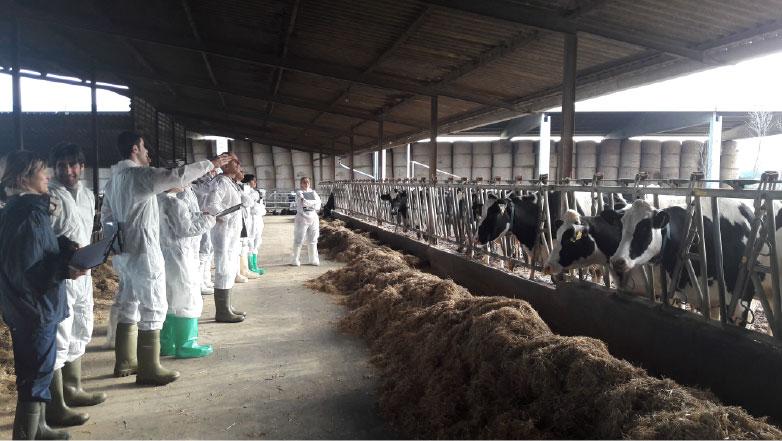
On-going auditing. Photo: Essi Wallenius.
4. The cows’ welfare is also monitored by an external party
An expert who regularly visits the barn ensures that even long-term changes in the cows’ welfare are detected.
5. WQ is not dependent on individual countries’ standards regarding the living conditions of farm animals
Thanks to a Europe-wide measurement system, animal welfare can be assessed according to the same principles everywhere.